Railroads face enormous challenges every winter as freezing temperatures, snow, and ice threaten to disrupt freight movement across North America. To keep operations running smoothly, major railroads and industry suppliers are investing in innovative solutions—from advanced heaters and predictive analytics to remote monitoring and cold-weather locomotive technologies. Here’s how some of the biggest players are getting ready for sub-zero conditions this year.
CPKC: Canadian Expertise in Harsh Winters
With decades of experience operating in Canada’s unforgiving climate, **CPKC** has developed a comprehensive approach to winter preparedness. Using detailed weather models, the railroad anticipates potential hazards and creates localized plans for each yard and facility. Essential resources, including snow removal equipment and sand, are strategically deployed to ensure rapid response.
Operational adjustments, such as shortening train lengths during extreme cold, help maintain safety. Meanwhile, continued investment in equipment and infrastructure—like the delivery of 100 new Tier 4 locomotives—strengthens network capacity and resilience. Collaboration with customers also plays a role, as facilities are prepped for snow and ice to minimize disruptions.
CSX: Employee Safety at the Center
For **CSX**, winter readiness is a coordinated effort led by engineering and mechanical teams with a sharp focus on worker safety. Employees are trained for cold-weather operations, equipped with thermal protective gear, and provided with safety tools like boot spikes. Walking paths are inspected regularly, and salt is placed in key areas to prevent accidents.
On the infrastructure side, switch heaters, snow blowers, and generators are tested and upgraded well before the first snowfall. This year, CSX installed more than 30 new switch heaters in major hubs, including Chicago and Philadelphia. The company also leverages advanced technology—like dual electric and propane switch heaters—to limit weather-related disruptions and keep freight moving efficiently.
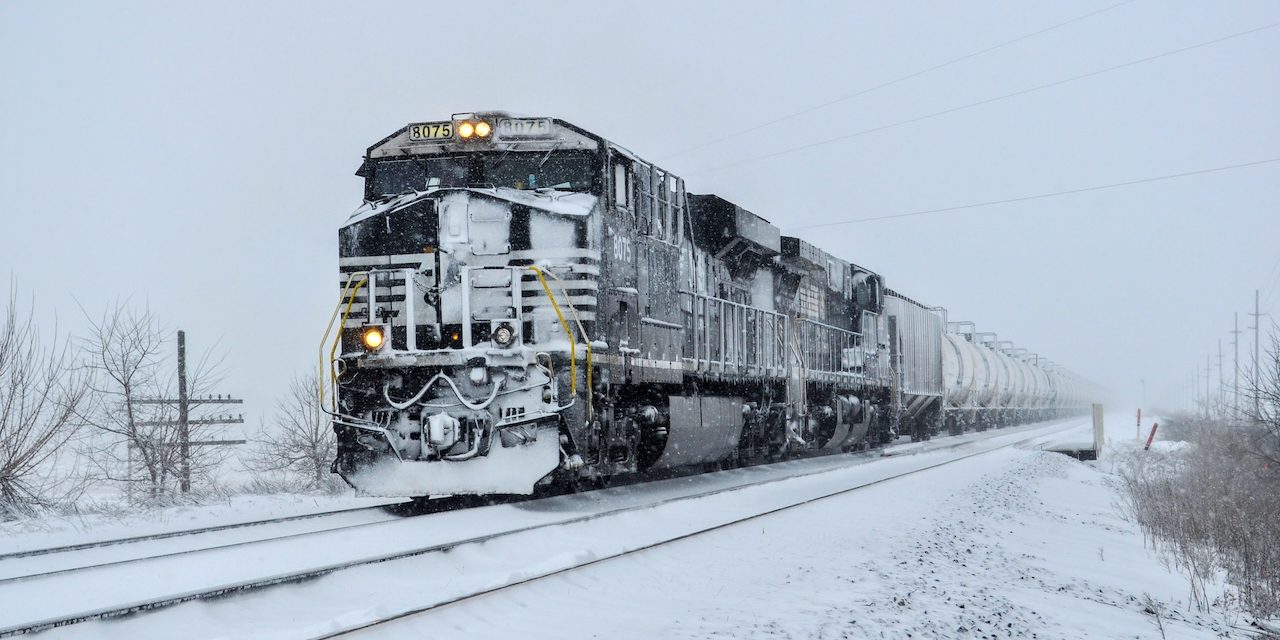
Norfolk Southern: Technology-Driven Preparedness
**Norfolk Southern (NS)** takes a system-wide approach that begins in summer and continues throughout winter. Safety is emphasized at every level, with employees empowered to stop operations if conditions become unsafe.
The company relies on **switch heaters, snow fences, and drainage maintenance** to combat ice and snow. Locomotives and railcars are winterized with insulated brake systems, fuel additives, and battery checks. Cutting-edge tools such as **remote sensors, drones, and predictive analytics** allow NS to anticipate problems before they cause delays.
Operational flexibility is key: trains may be shortened or rerouted, while snow removal teams are pre-staged in high-risk areas. NS also coordinates closely with peer railroads through joint dispatch centers to ensure network fluidity during severe storms.
Genesee & Wyoming (G\&W): Regional Winter Strategies
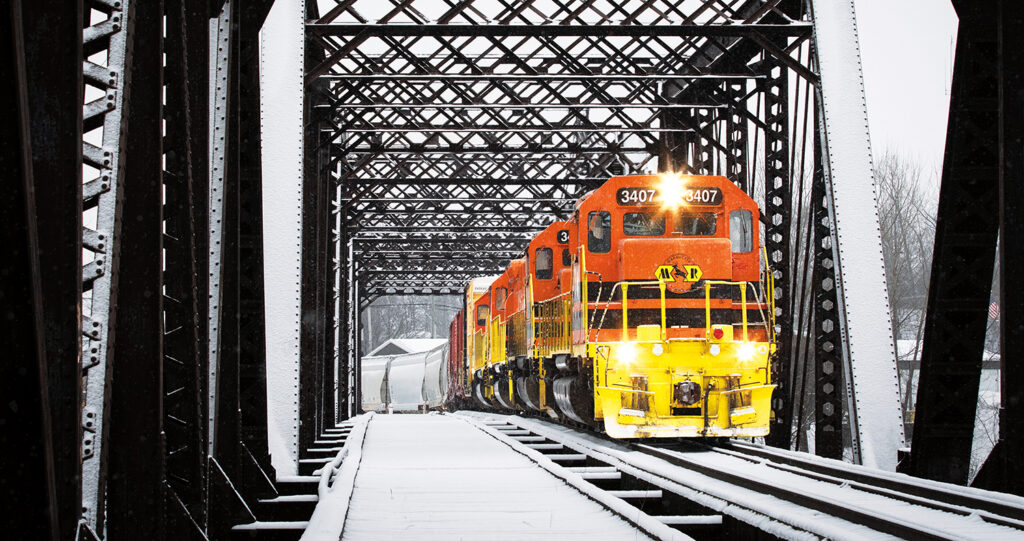
Across its U.S. railroads, particularly in the Northeast and Midwest, **G\&W** begins preparations in late summer. Activities include clearing debris near switches, stocking up on supplies like brooms and warm gear, and ensuring heaters are operational.
Safety campaigns remind employees about proper winter clothing and hydration, while customer service teams provide shippers with seasonal guidelines. In areas like Buffalo, equipment is staged for heavy lake-effect snow, while railroads along the Great Lakes are prepared to suspend operations if necessary.
Hotstart: Reducing Locomotive Idle Time
**Hotstart** specializes in idle-reduction systems that keep locomotives warm without wasting fuel. Its APU5 product line heats coolant, oil, and batteries using onboard fuel, reducing restarts and engine wear.
Customers are encouraged to prepare early, ensuring proper installation and maintenance before winter arrives. Many railroads have secured government funding—through programs like the Diesel Emissions Reduction Act—to adopt these systems, cutting both fuel costs and emissions.
Rails Co.: Advanced Heating Systems
**Rails Co.** manufactures switch snow removal devices, including gas heaters and hot air blowers, designed to keep rail infrastructure operational. The company also builds customizable electric heater control panels compatible with customer monitoring systems such as SCADA.
Regular preseason maintenance is recommended, including weekly testing to ensure heaters are functional and free of obstructions. Recent projects in cities like Cleveland and Minneapolis highlight the company’s role in supporting major transit systems through cold-weather upgrades.
Power Drives Inc. (PDI): Hybrid Idle Reduction
PDI’s **PowerHouse™ Hybrid** is another idle-reduction solution that saves fuel and lowers emissions. The system keeps fluids warm and allows locomotives to shut down in freezing temperatures while remaining operationally ready.
The hybrid can run on locomotive batteries for up to a week or be connected to an external power source. Customers report significant fuel savings, with one railroad cutting costs by more than \$1.5 million in a single winter season.
New York Air Brake (NYAB): Smarter Brake Systems
A subsidiary of Knorr-Bremse, **NYAB** has introduced its advanced CCBIIe brake control system, built with materials that perform reliably at temperatures as low as -60°F. The new system reduces failures and extends component life, offering railroads a robust solution for extreme winter environments.
Wabtec: Analytics and Biofuel Innovation
**Wabtec** is helping railroads monitor locomotive health through its **Train Analysis Tool**, which identifies cold-weather problems such as frozen valves. The company has also developed improved drain valves to prevent catastrophic freeze damage.
In addition, Wabtec is testing **biofuels** in cold climates, with results showing blends like B20 can function effectively at -40°C. Other solutions include enhanced battery systems, remote monitoring, and predictive maintenance tools.
Railway Equipment Co. (RECo): Remote Monitoring Solutions
**RECo** focuses on switch heaters and monitoring systems that ensure rail switches remain clear during winter storms. The company recently introduced a redundant heating system combining natural gas/propane and electricity—the first of its kind in the industry.
Its monitoring tools, such as the GHAB Concentrator, allow operators to track multiple heaters in real time, reducing downtime and improving efficiency.
Frauscher: Cold-Resistant Sensors
**Frauscher Sensor Technology** offers IP68-rated wheel sensors and advanced axle counters that remain reliable even in snow and ice. Its diagnostic suite, **Frauscher Insights**, provides operators with real-time system monitoring to detect and prevent failures before they escalate.
By eliminating dependence on traditional shunting systems, Frauscher has improved operations for railroads in snow-heavy regions like Canada and the northern U.S.
Thermon: Heavy-Duty Snow Clearing
**Thermon** supplies snow-clearing devices designed to withstand the harshest conditions. By centralizing manufacturing in Texas, the company has improved lead times and reduced costs. Its next-generation **Hellfire blowers**, now in testing, feature updated components and smarter communication systems.
ZTR: Reliable Cold-Weather Starts
**ZTR’s KickStart technology** helps locomotives start reliably in freezing temperatures while protecting battery life. The system integrates with automatic engine stop-start programs, reducing unnecessary idling and fuel use.
The advanced **KickStart BSM** adds battery management, remote monitoring, and diagnostic tools, giving railroads better control and visibility over fleet performance. Pilot programs with Class I railroads have already shown strong results in reducing cold-weather failures.
Conclusion: Innovation as a Shield Against Winter
From heaters and snow-clearing devices to predictive analytics and idle-reduction systems, the railroad industry is investing in resilience. Harsh winters are inevitable, but with these technologies, railroads are better equipped than ever to keep freight moving safely, efficiently, and sustainably—even when temperatures drop far below zero.